

Intent: Why do we teach DT and what do we want to achieve?
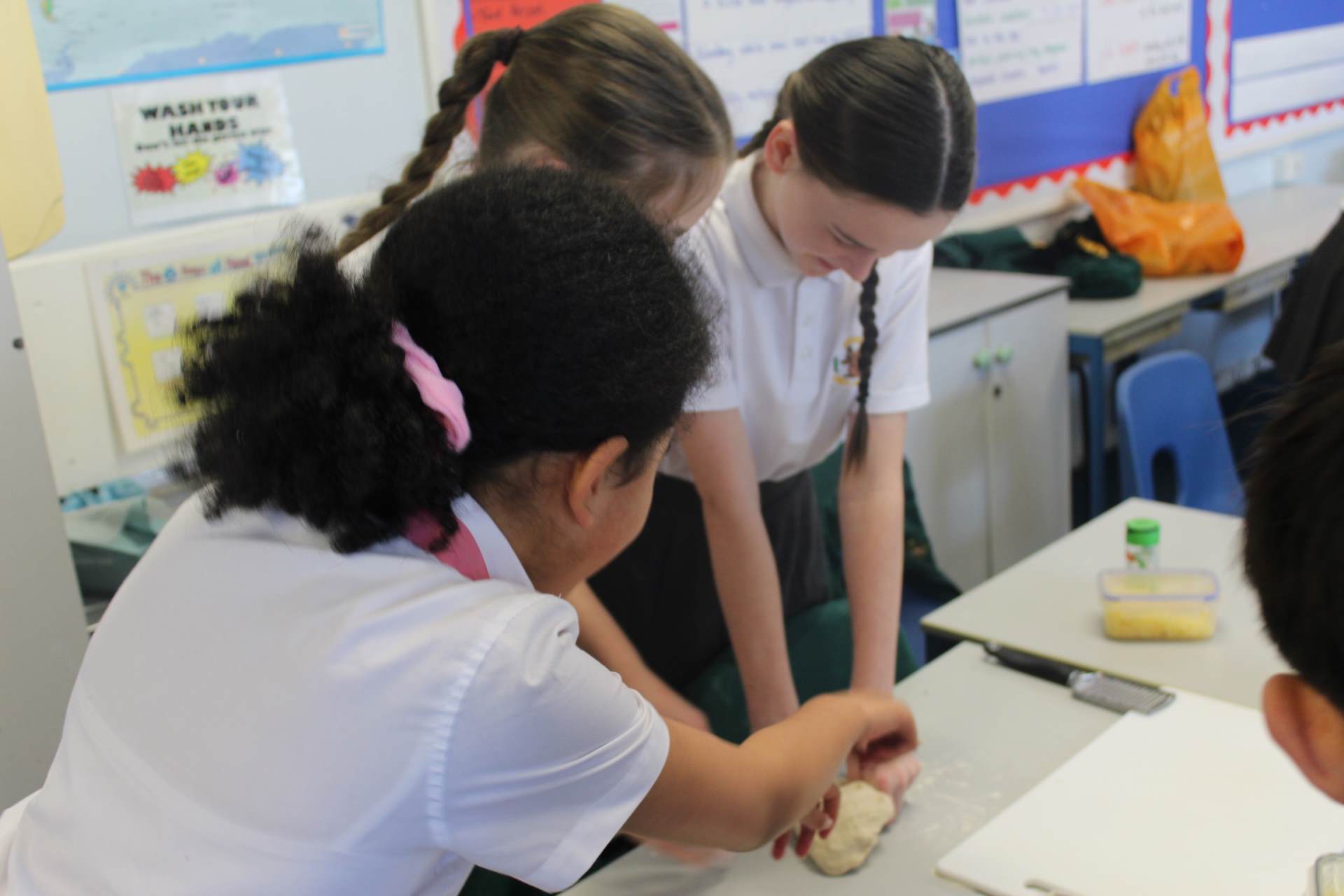
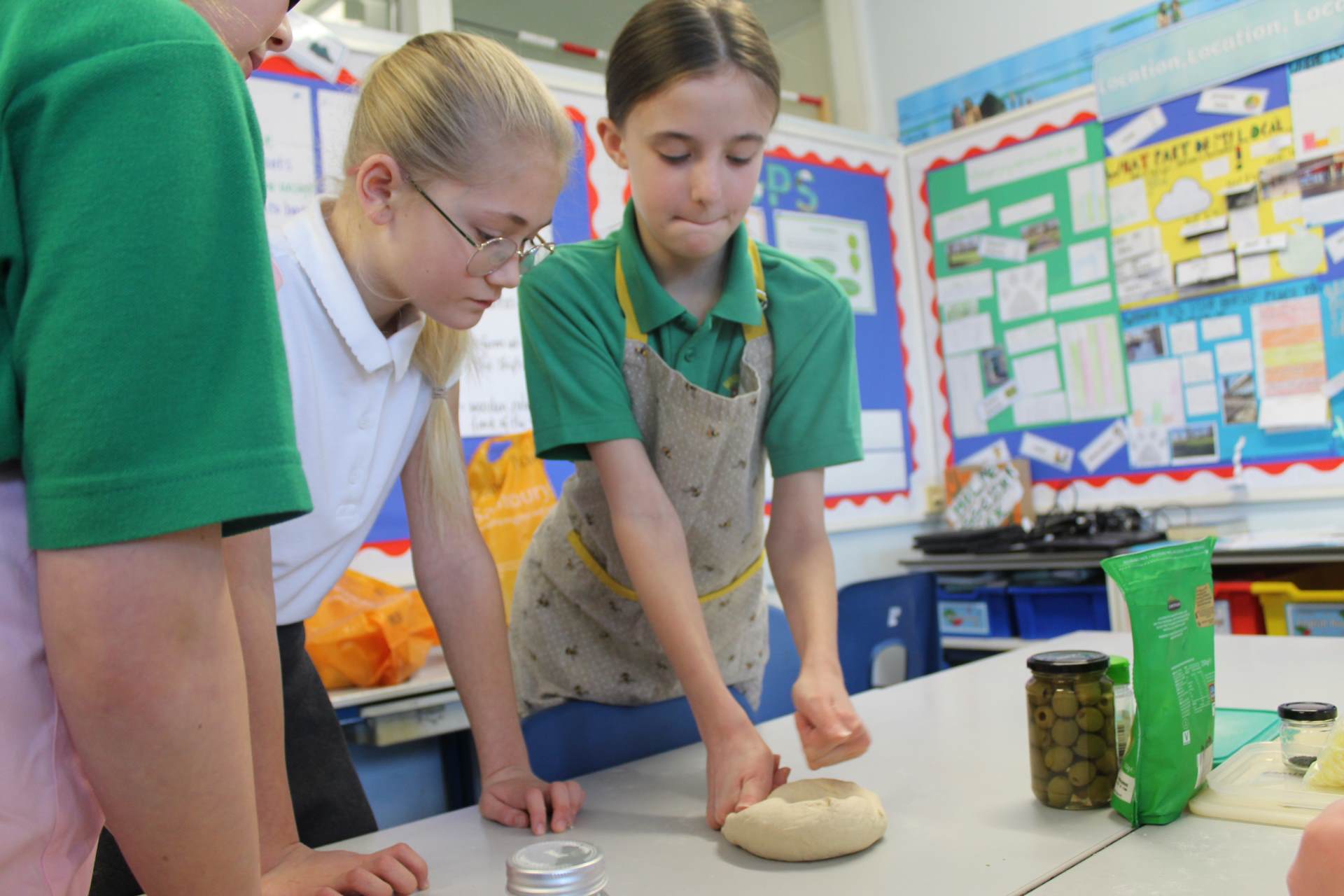
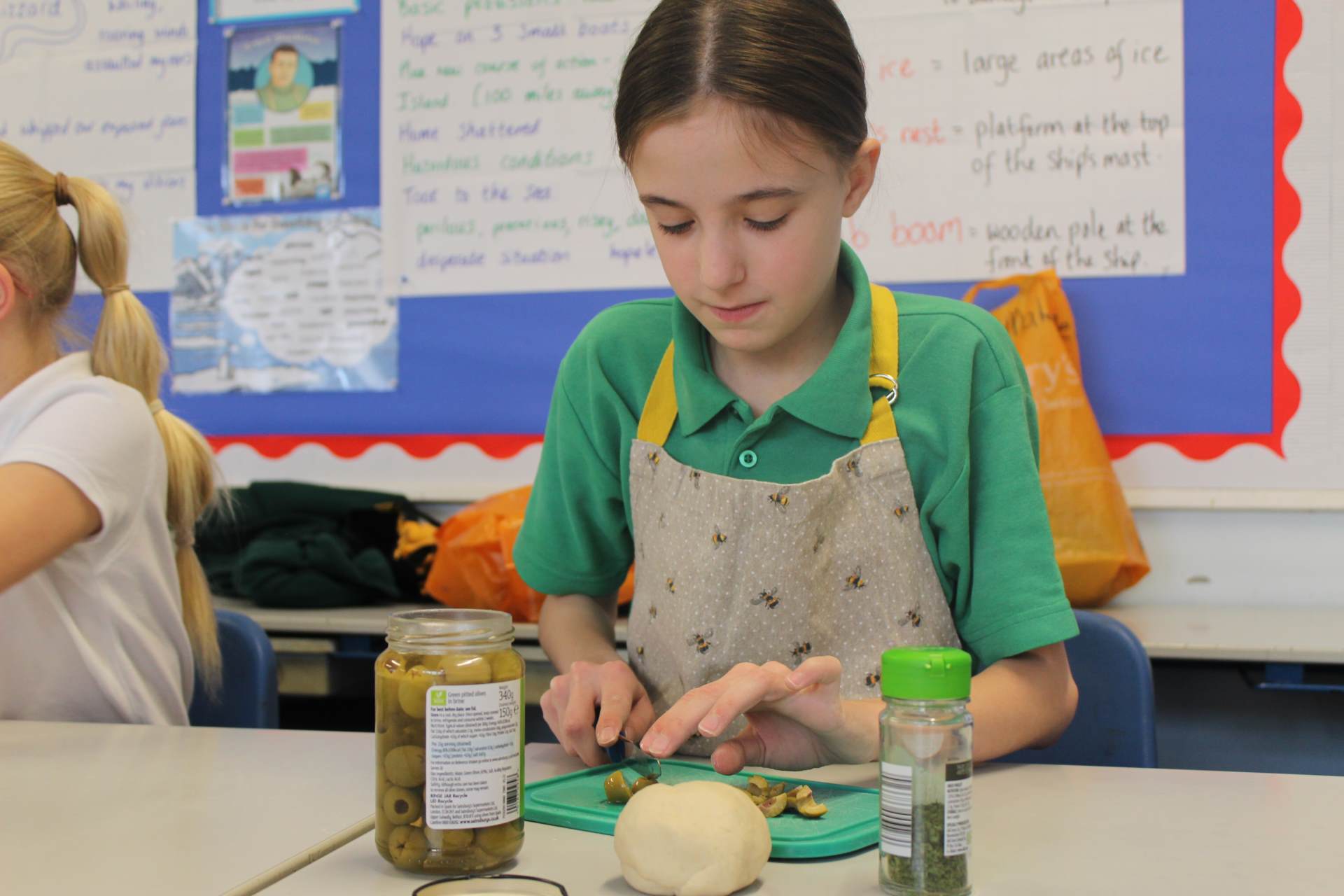
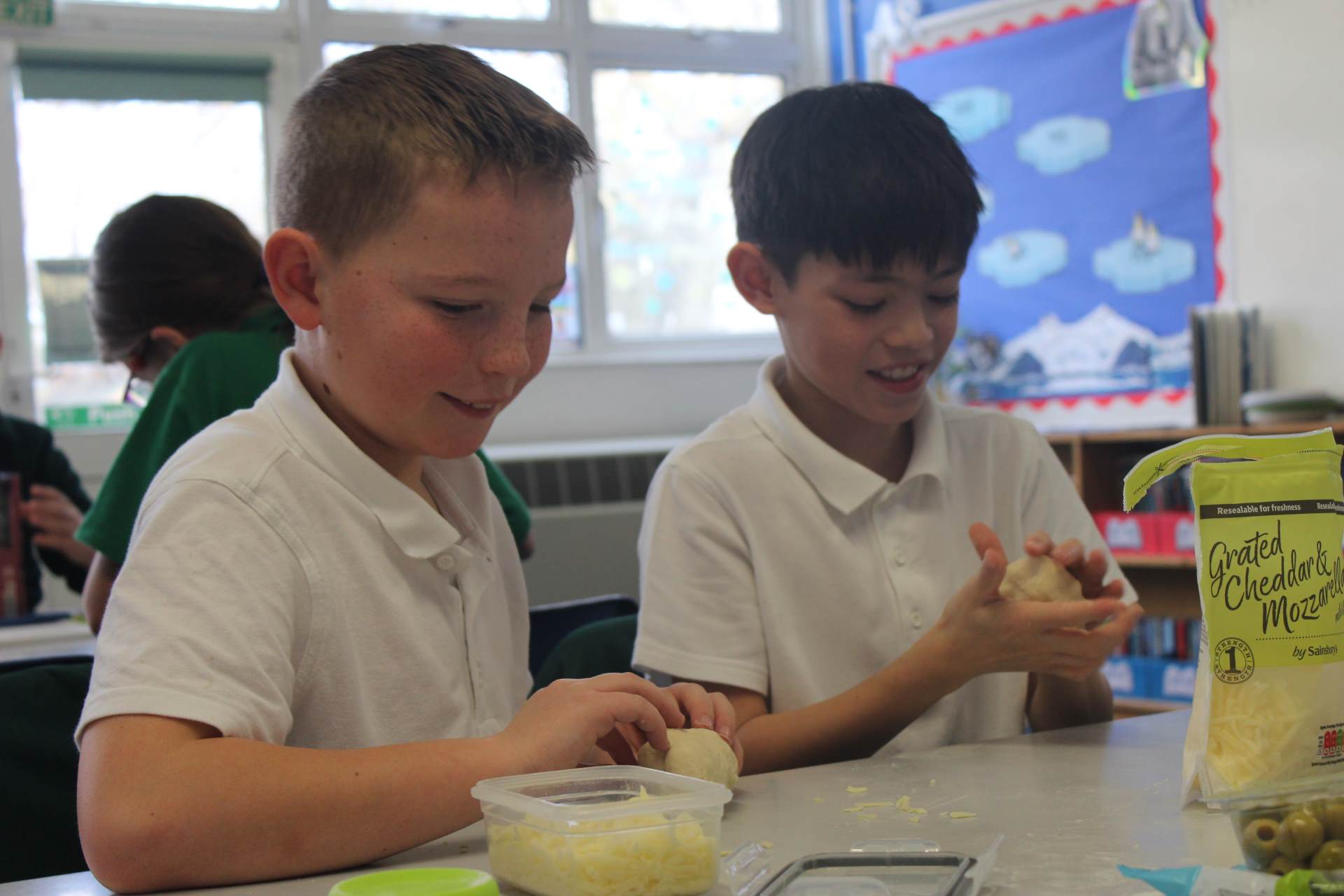
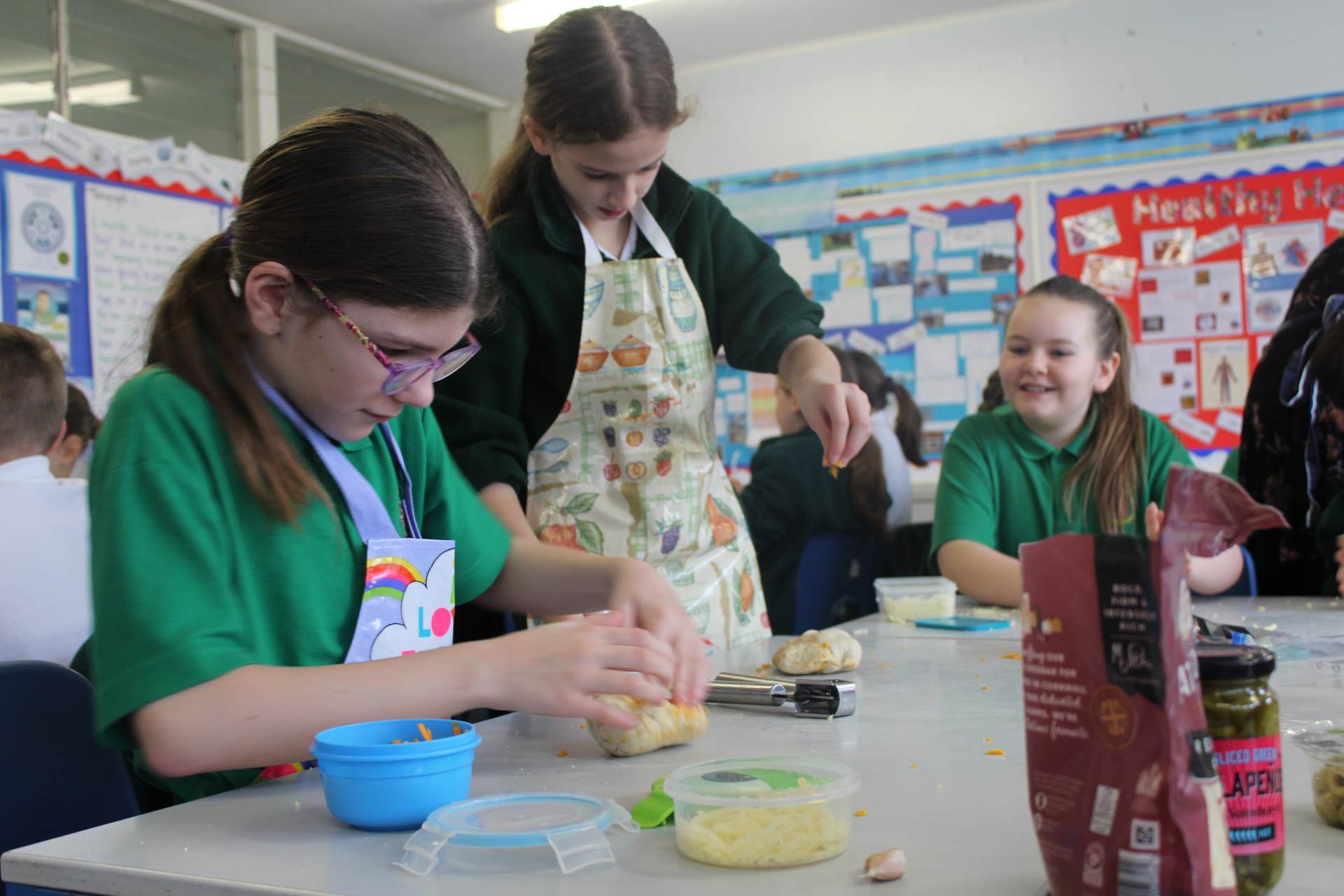
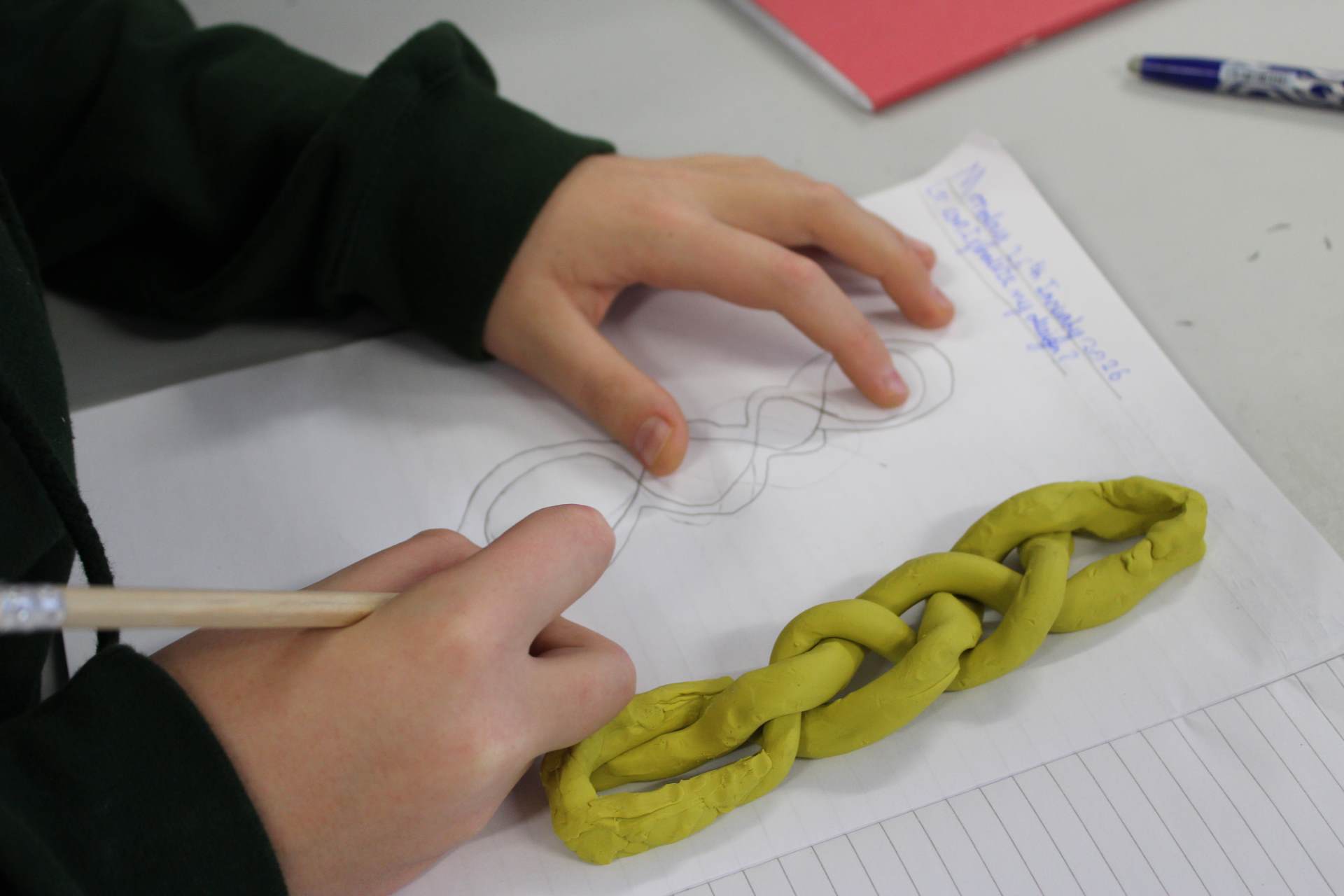
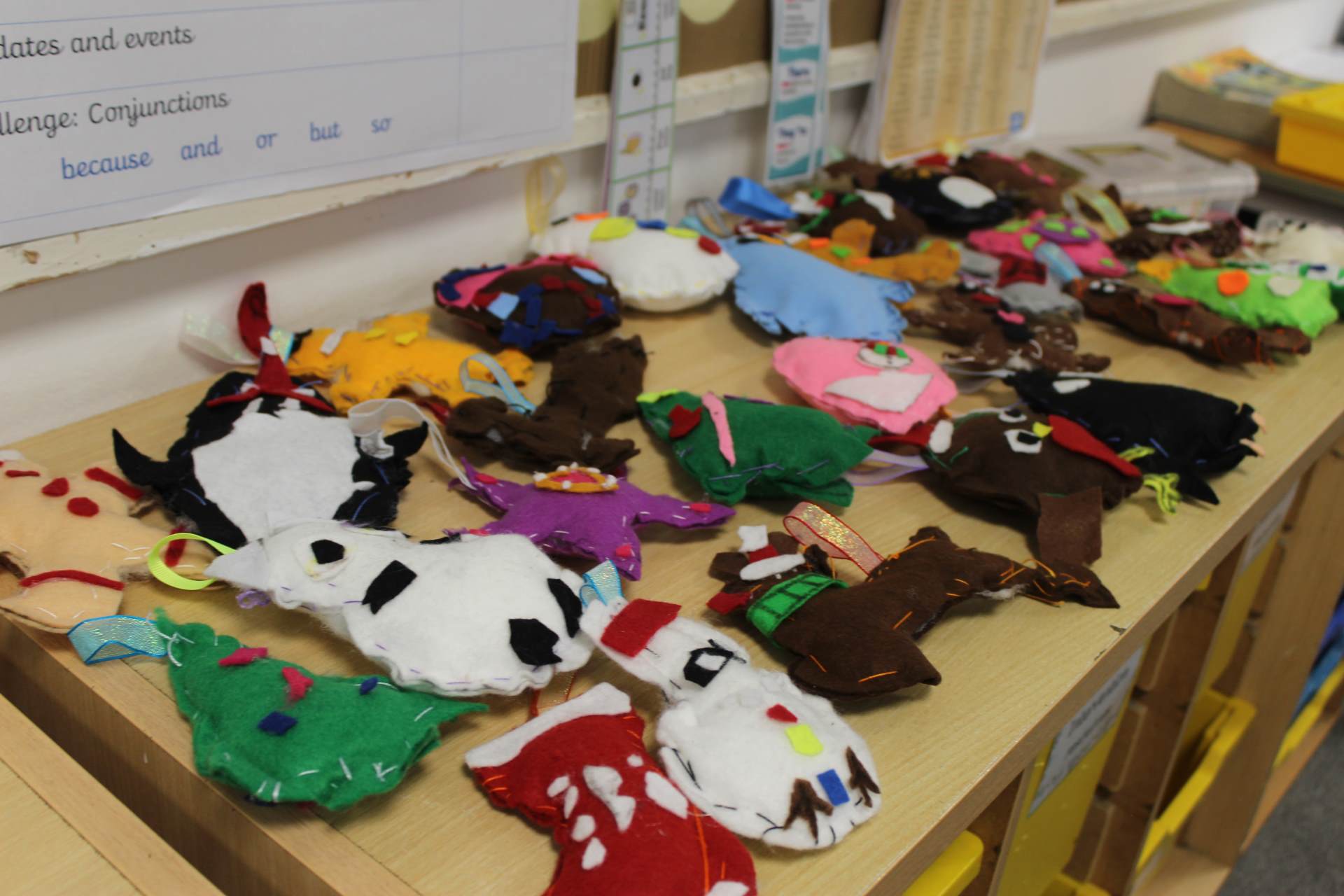
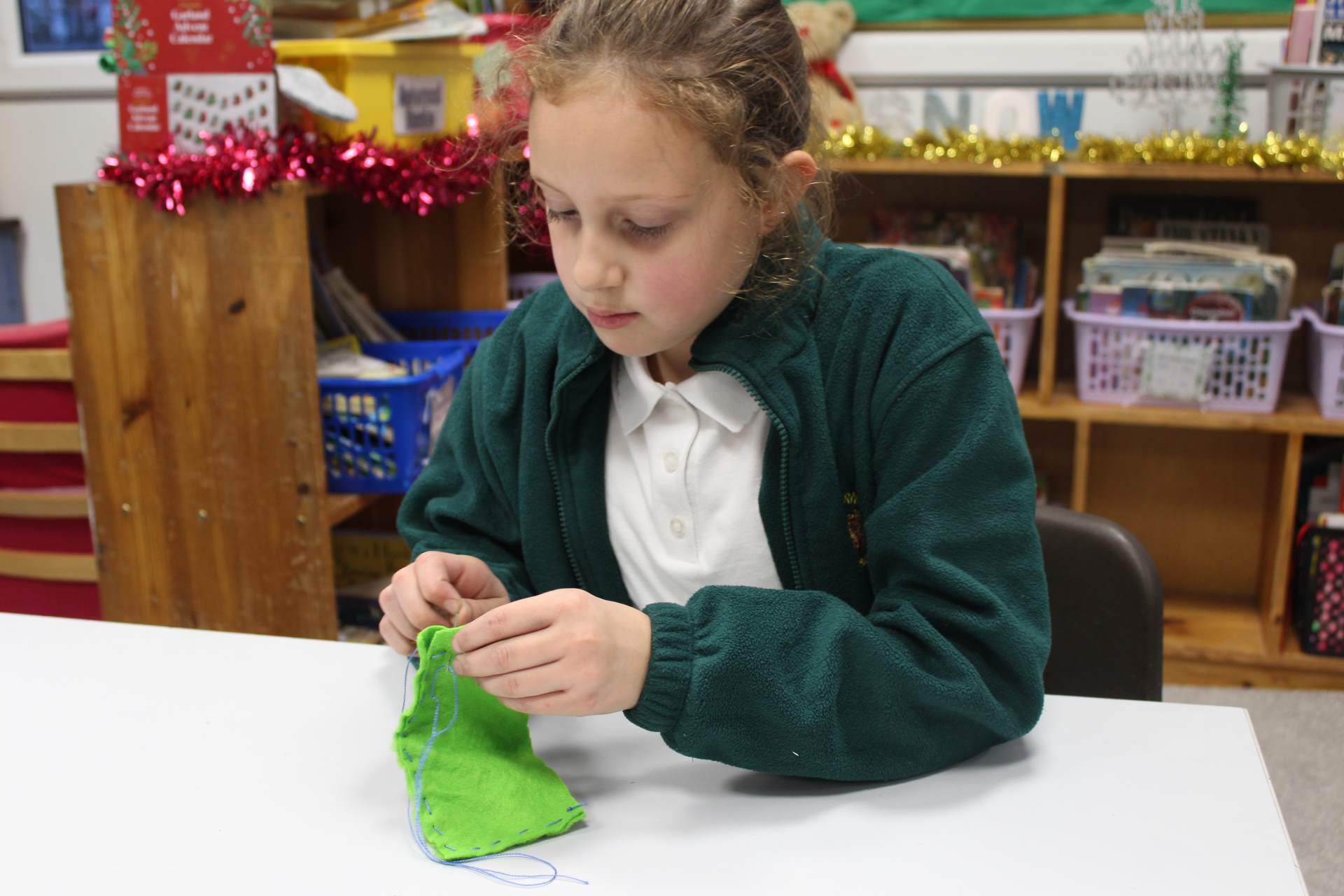
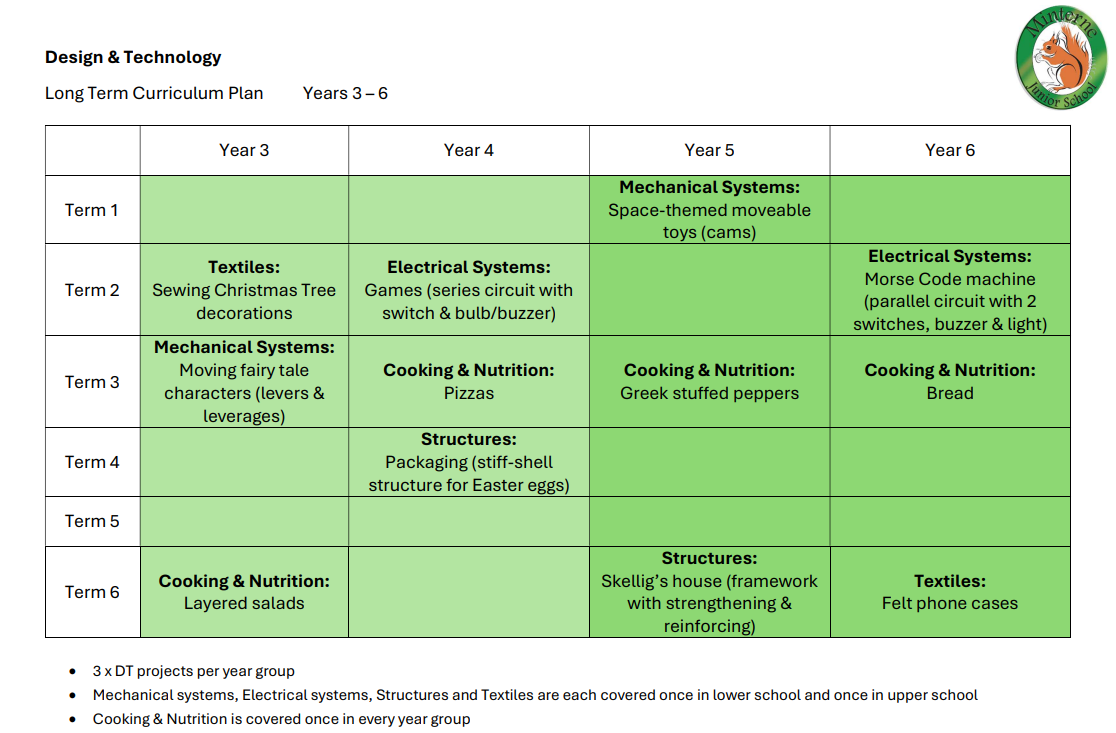
At Minterne, we want children to enjoy and look forward to their DT lessons. We encourage creativity and imagination through practical, hands-on activities. DT is often taught through class topics, with projects such as sewing Christmas decorations, cooking pizzas, building Viking longboats, and creating simple electrical buzzer games.
Implementation: How is DT taught at Minterne?
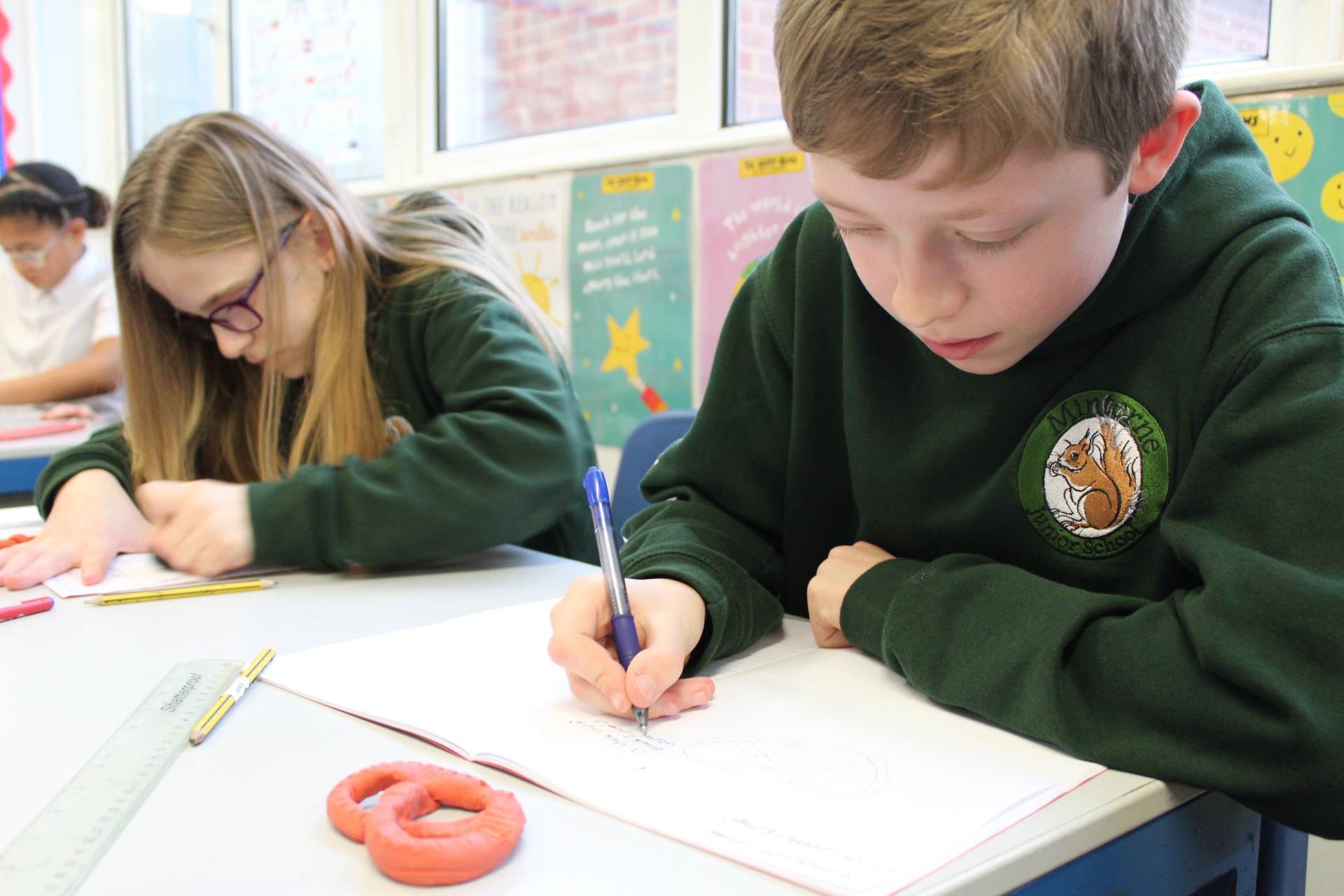
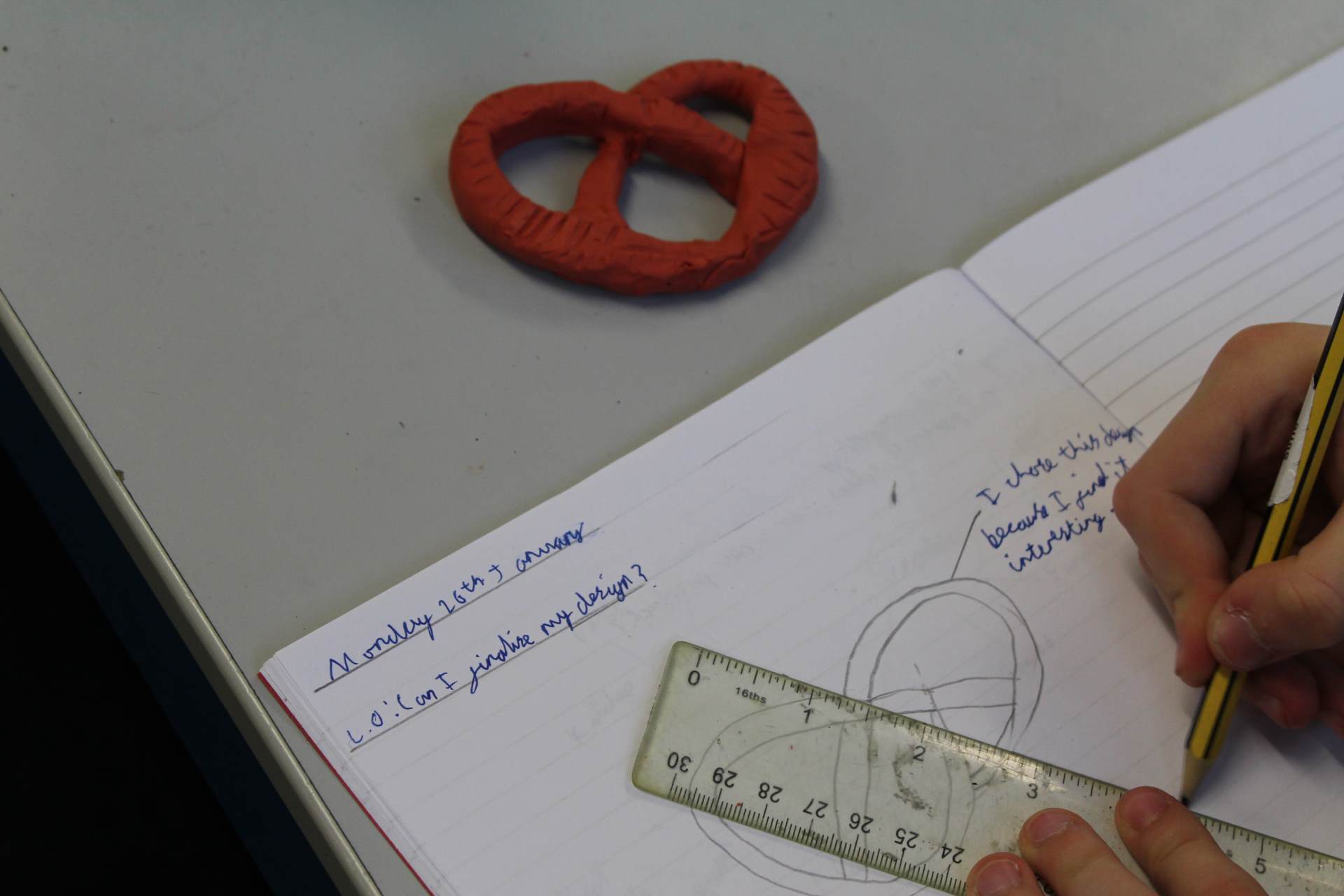
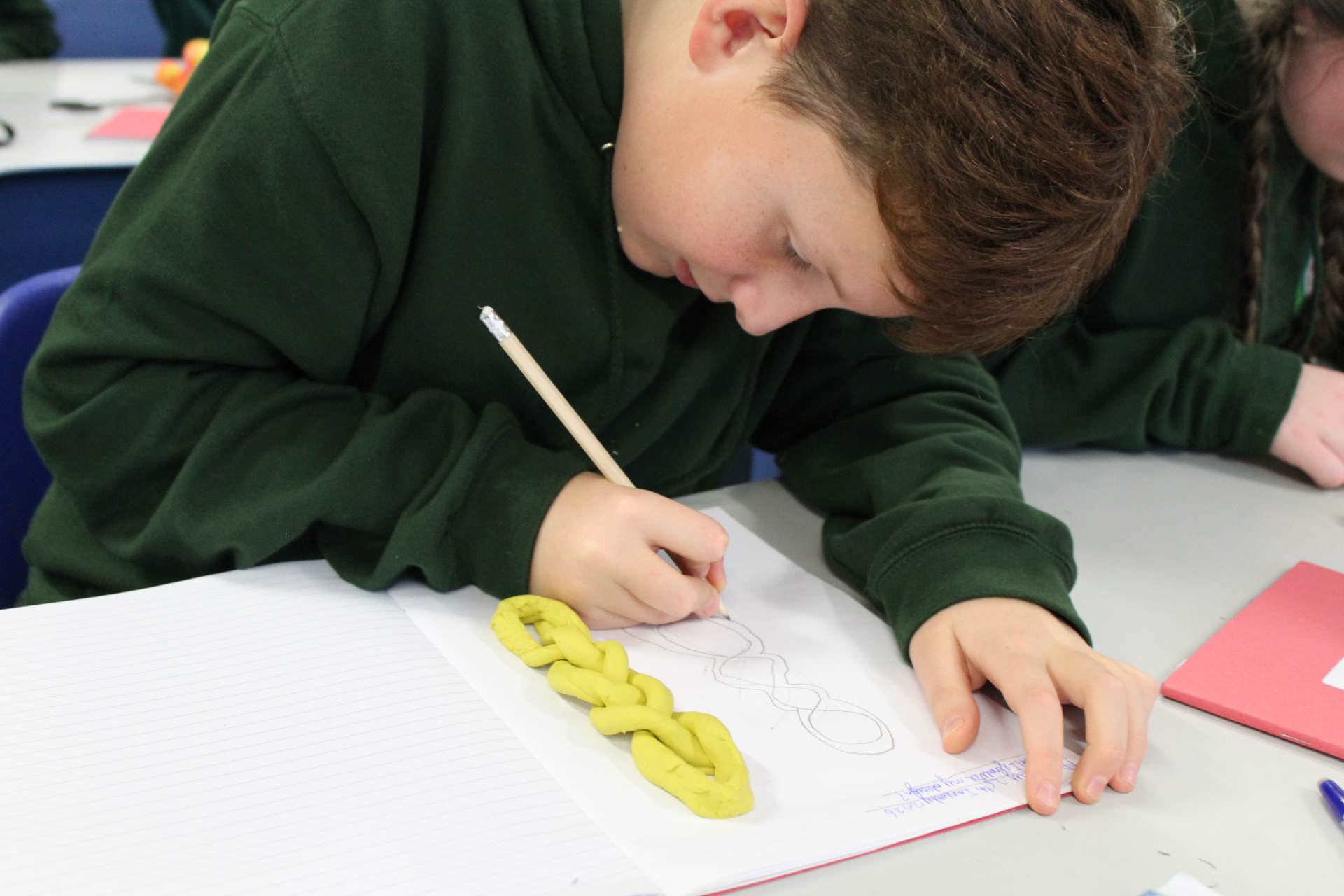
The Design and Technology curriculum is structured around the three key stages of the design process: design, make and evaluate. Through these stages, children develop secure technical knowledge and understanding, including the use of materials, tools and mechanisms. Cooking and nutrition is taught as a distinct strand, focusing on practical food skills, healthy eating, seasonality and understanding where food comes from.
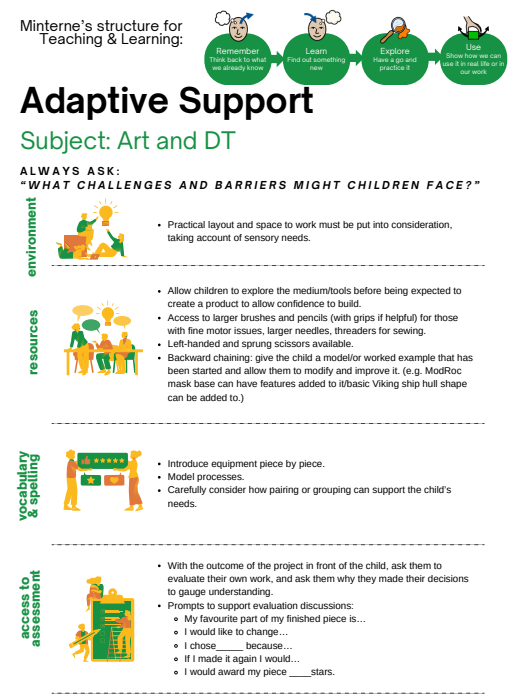
Teaching and learning are carefully planned to ensure pupils build knowledge and skills over time. Lessons include a range of approaches such as independent research, collaborative work and practical, hands‑on activities. This ensures pupils are actively engaged and able to succeed, regardless of learning style.
Key vocabulary is clearly identified within each unit and explicitly taught. Pupils are expected to use this vocabulary accurately and confidently, supporting strong subject understanding and enabling links to be made across the wider curriculum.
Curriculum Overviews show how each unit meets the National Curriculum requirements, while the Progression of Skills demonstrates how learning develops year on year, ensuring pupils are well prepared and meet expected outcomes by the end of Key Stage 2.
Implementation: How is progression ensured in DT?
Our curriculum is carefully planned to ensure children have the opportunity to revisit prior skills and knowledge and to build on these each year. Please see our Progression Document for further information.
minterne dt progression doc feb 2026.pdf
Impact: How does our DT curriculum support 'Learning for a Lifetime'?
Through Design and Technology, pupils develop the behaviours and attitudes they need to succeed, both in school and beyond. These include resilience and determination, teamwork, independence and responsibility, as well as confidence, creativity and pride in their work. A strong focus on personal safety and well‑being supports pupils to work sensibly and thoughtfully when using tools, equipment and materials.
At Minterne, children are encouraged to experiment with their ideas, exploring colour, texture, form and a wide range of materials and processes. Regular opportunities for self‑evaluation and peer evaluation help pupils reflect on their learning, understand that mistakes are part of the design process, and recognise that perseverance and effort lead to success.
Design and Technology supports pupils to become curious, creative problem‑solvers, working both independently and collaboratively. By developing the skills and technical knowledge needed to design, make and evaluate products, pupils build confidence in critical thinking and questioning. Through a variety of practical, hands‑on experiences, children develop a positive growth mindset and the transferable skills needed for learning for a lifetime, preparing them to adapt, innovate and solve problems in the future.
Sharing Successes
All pupils are given regular opportunities to share and celebrate their Design and Technology work with their peers, school staff and families. Children often share their projects with other year groups, giving them the chance to talk confidently about their ideas and learn from one another. This also helps to build excitement for the DT projects pupils will experience as they progress through the school.
These shared experiences encourage pride, confidence and reflection, supporting pupils to recognise the value of effort and achievement. Final DT projects are often sent home to be enjoyed with family members, strengthening links between home and school. Edible projects are always a particular highlight and are especially well received!
By celebrating success in this way, pupils develop communication skills, confidence and a sense of achievement that support learning for a lifetime.
Our DT Lessons in Action